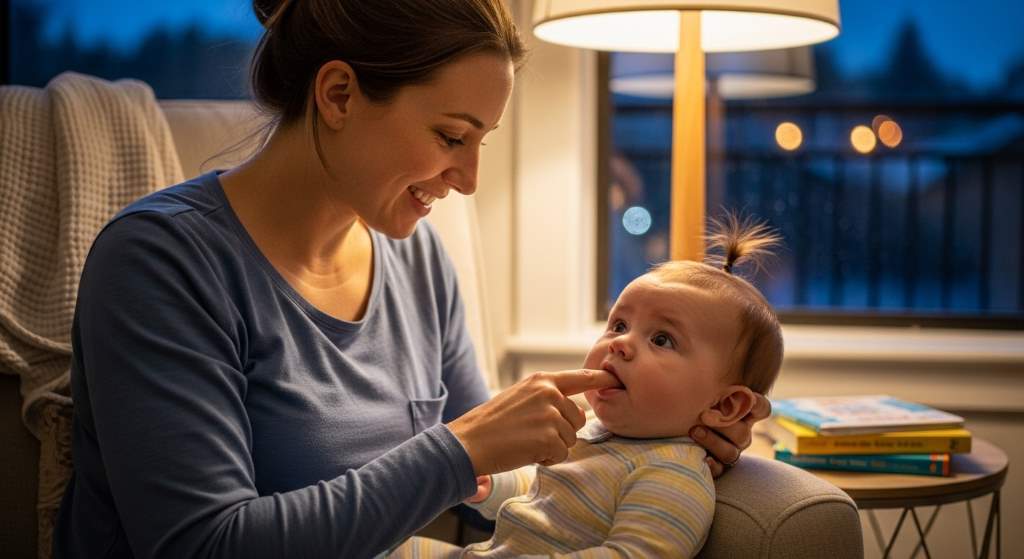
Late-night fussiness can challenge even the most experienced caregivers. Many infants experience gum sensitivity as new teeth begin to emerge, and this discomfort often becomes more noticeable during nighttime hours. According to pediatric dental organizations, most babies begin teething between 4 and 7 months of age. Additionally, sleep disruptions affect a large percentage of families during the teething phase. When searching for effective natural solutions for teething babies, many Portland caregivers focus on safe, gentle, and practical methods that support infant comfort while encouraging better sleep.
Understanding Infant Gum Sensitivity at Night
Teething can create pressure beneath the gums as new teeth move toward the surface. This process often causes tenderness, irritation, and increased drooling. During the day, babies stay distracted by activities and interactions. However, nighttime quietness can make discomfort feel more intense.
Many caregivers in Portland notice that fussiness peaks during evening hours. Fatigue can lower a baby’s tolerance for discomfort. Moreover, lying down may increase awareness of gum pressure. As a result, infants often wake more frequently and seek additional comfort.
Recognizing common symptoms helps caregivers respond effectively. These signs usually include gum rubbing, chewing on objects, increased drooling, and mild irritability. Some babies also experience temporary sleep disturbances. Understanding these patterns reduces unnecessary worry and supports better care decisions.
Why Portland’s Climate Can Influence Teething Comfort
Portland experiences cool, wet seasons for much of the year. Indoor heating systems often run continuously during colder months. Consequently, indoor air may become drier than expected. This dryness can sometimes contribute to overall oral discomfort in sensitive infants.
Caregivers frequently focus on maintaining comfortable indoor humidity levels. A balanced environment helps babies feel more relaxed during sleep. Furthermore, proper moisture levels may reduce irritation caused by dry air exposure. Small environmental adjustments often make nighttime routines more effective.
Summer temperatures in Portland remain relatively mild compared to many regions. Nevertheless, warmer days can increase drooling and mild skin irritation around the mouth. Therefore, gentle cleaning and regular hydration remain important. Consistent care supports comfort throughout changing seasons.

Safe Cooling Techniques for Sensitive Gums
Using Chilled Teething Toys
Many caregivers rely on chilled teething toys to soothe tender gums. Cool temperatures help reduce temporary inflammation and provide a calming sensation. Refrigeration works well for most teething products. However, caregivers should avoid freezing items because extreme cold can irritate delicate tissues.
Different babies respond to different textures and shapes. Therefore, offering several safe options can be helpful. Silicone teethers often remain popular because they are easy to clean. Rotating toys also keeps them fresh and appealing throughout the night.
Cool Washcloth Comfort
A clean, damp washcloth placed in the refrigerator can provide gentle relief. Babies often enjoy chewing on the soft texture. Additionally, the cool temperature creates a soothing effect on irritated gums. This simple method remains a favorite among many families.
Caregivers should supervise use carefully to ensure safety. Freshly cleaned cloths help maintain good hygiene. Furthermore, preparing several cloths in advance can simplify late-night care. Quick access often reduces stress during nighttime wake-ups.
Creating a Calm Bedtime Environment
A peaceful sleep environment can significantly reduce fussiness. Soft lighting and quiet surroundings help signal that bedtime has arrived. Consequently, babies may settle more easily despite mild gum discomfort. Consistency often produces the best results.
White noise machines remain popular among Portland families. Gentle background sounds can mask household noise and promote relaxation. Moreover, predictable sleep cues support healthy bedtime habits. These routines often become valuable during teething phases.
Maintaining a comfortable room temperature also matters. Overheating may increase irritability and disrupt sleep. Therefore, breathable sleepwear and appropriate bedding support overall comfort. Small adjustments frequently improve nighttime rest.
Gentle Gum Massage Techniques
Many infants respond positively to gentle gum massage. Clean hands allow caregivers to carefully rub sore areas with light pressure. This action may temporarily reduce discomfort by counteracting pressure beneath the gums. Most babies tolerate this approach well.
Timing can influence effectiveness. Offering a brief massage before bedtime often helps infants relax. Additionally, caregivers can repeat the technique during nighttime wake-ups. Consistent use may become an important part of a calming routine.
Observation remains essential during gum massage. Each infant reacts differently to touch and pressure. Therefore, caregivers should adjust their approach based on the baby’s response. Comfort should always guide the process.
The Role of Hydration and Nutrition
Proper hydration supports overall well-being during teething periods. Babies who consume age-appropriate fluids may feel more comfortable throughout the day. Furthermore, hydration supports healthy saliva production. This natural process helps keep the mouth comfortable.
For older infants who have started solid foods, cool purees can provide temporary relief. Chilled applesauce, yogurt, or mashed fruits often feel soothing. However, caregivers should follow age-appropriate feeding guidelines. Safe food choices always remain the priority.
Parents who focus on whole-body wellness often explore related natural care topics. Some families read about what is reishi when learning about natural wellness traditions. While such topics may interest adults, caregivers should always use infant-specific guidance when addressing teething concerns.
An Uncommon but Effective Strategy: Sensory Transition Management
One rarely discussed approach involves sensory transition management before bedtime. Many babies move from active daytime stimulation directly into sleep routines. This sudden shift can increase awareness of gum discomfort. Consequently, fussiness may become more noticeable.
Caregivers can gradually reduce stimulation during the final hour before sleep. Lowering noise levels, dimming lights, and limiting exciting activities creates a smoother transition. Additionally, gentle rocking and quiet interaction help babies relax. This process may reduce the intensity of nighttime discomfort perception.
Portland caregivers often appreciate this method because it requires no special products. Instead, it focuses on supporting the nervous system through predictable routines. Over time, babies may settle more easily even during active teething periods. This practical strategy deserves more attention than it typically receives.
Managing Drool-Related Irritation
Teething frequently increases drooling. Excess moisture can irritate the skin around the mouth, chin, and neck. Therefore, gentle cleaning throughout the day becomes important. Keeping skin dry supports overall comfort.
Some caregivers also focus on protecting skin from dryness and irritation. Similar principles appear in discussions about amazing useful tips moisturize routines for adults. Although infant care differs significantly, maintaining healthy skin remains a valuable goal for all ages.
Soft bibs can help manage excess drool during waking hours. Additionally, regular bib changes reduce prolonged moisture exposure. These simple habits often prevent unnecessary irritation. As a result, babies may experience greater overall comfort.
When to Contact a Healthcare Professional
Teething symptoms usually remain mild and temporary. However, certain signs require medical evaluation. High fever, persistent diarrhea, severe irritability, or unusual symptoms should not automatically be attributed to teething. Professional guidance helps ensure appropriate care.
Caregivers should trust their instincts when concerns arise. Pediatric healthcare providers can assess symptoms and offer individualized recommendations. Furthermore, early consultation often provides reassurance. Prompt attention supports infant health and safety.
Helpful Late-Night Teething Checklist
- Offer a chilled teething toy.
- Use a cool washcloth for supervised chewing.
- Provide gentle gum massage.
- Check room temperature and humidity.
- Reduce stimulation before bedtime.
- Keep drool-prone skin clean and dry.
- Follow a predictable bedtime routine.
- Monitor symptoms for unusual changes.
Common Mistakes to Avoid
Some caregivers freeze teething products in an effort to maximize relief. Unfortunately, excessive cold can irritate sensitive gum tissue. Refrigeration provides a safer alternative. Gentle cooling remains the preferred approach.
Another mistake involves introducing too many new comfort methods at once. Babies often respond better to consistency. Therefore, gradual adjustments make it easier to identify what works. Simple routines usually outperform complicated solutions.
Families occasionally overlook environmental factors that influence comfort. Indoor air quality, room temperature, and bedtime stimulation all affect sleep. Similarly, unrelated personal care concerns such as 7 natural remedies for dandruff require targeted solutions rather than one-size-fits-all approaches. Effective teething care follows the same principle.
Conclusion
Caregivers in Portland, OR can reduce infant gum sensitivity during late-night fussiness through safe, practical, and gentle strategies. Cooling techniques, gum massage, hydration, and calming bedtime routines often provide meaningful relief. Additionally, paying attention to Portland’s climate and indoor environment can support infant comfort. Start implementing these simple methods tonight, monitor your baby’s response, and consult a healthcare professional whenever concerns arise to ensure the safest and most effective care.
FAQs
How long does infant gum sensitivity usually last?
Most episodes last a few days before a tooth emerges.
Can cold teething toys help babies sleep better?
Yes, chilled teething toys often provide temporary relief that supports relaxation.
Should teething toys be frozen?
No, refrigeration is safer because extreme cold may irritate sensitive gums.
Does Portland’s dry indoor winter air affect teething comfort?
Yes, dry indoor air can contribute to overall discomfort in some infants.
When should parents call a doctor during teething?
Parents should seek medical advice if symptoms include high fever or unusual illness signs.