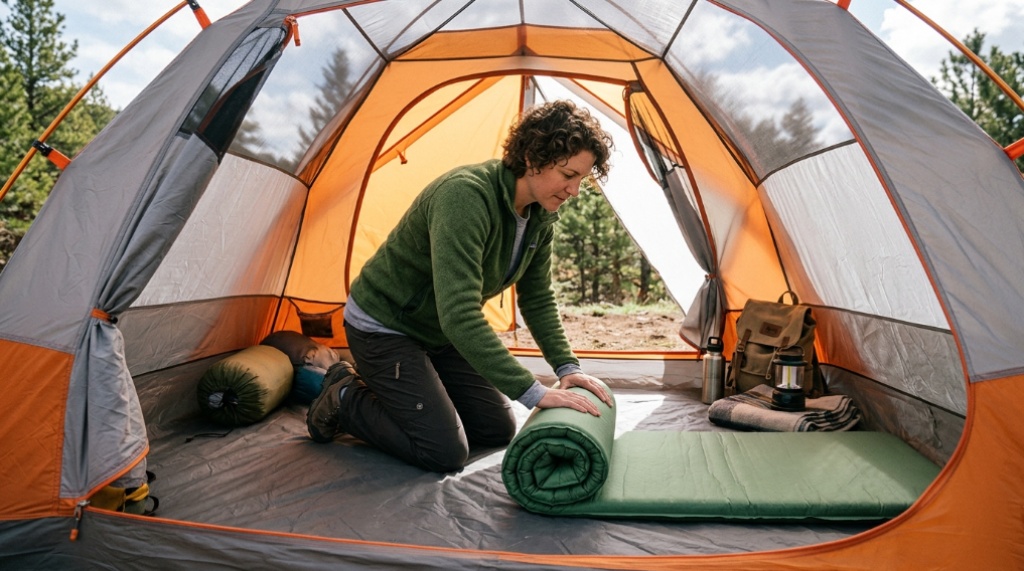
You have hiked all day, set up camp, and watched the stars come out. Then you crawl into your sleeping bag, and the battle begins. A root digs into your back, your hips ache from the hard ground, and your head keeps sliding off a balled-up jacket. Poor camp sleep rarely comes down to one big problem; it is usually a stack of small ones, and the most overlooked is often your pillow. Getting the right head and neck support matters more than most campers expect, which is why this lightweight Peujew camping pillow guide is a useful reference if you are weighing a dedicated pillow against the usual improvised options. Below, the fixes are organized by cause so you can target the exact reason you keep waking up.
Quick Answer
Most camping sleep problems come down to four causes: poor insulation from the ground, lack of head and neck support, a bad sleeping position, and noise or light disruption. Fix the ground first with a properly rated sleeping pad, then add real head support such as an inflatable or compressible pillow instead of a bundled jacket. Match your sleeping position to pad thickness and pillow height, and use earplugs or an eye mask to manage environmental interruptions.
Key Takeaways
- Cold from below is a bigger sleep-killer than cold air above you, so your sleeping pad’s R-value matters more than your bag’s temperature rating in many conditions.
- A dedicated pillow solves neck strain and head slippage that bunched clothing cannot fix, and lightweight options pack down to almost nothing.
- Side sleepers need a thicker pad and a higher pillow than back sleepers; mismatching these two is a common source of morning stiffness.
- Earplugs, an eye mask, and a consistent pre-sleep routine address the noise and light issues that gear alone cannot fix.
Why Camping Sleep Is Harder Than It Looks
Camping disrupts sleep through physical and environmental channels at the same time. On a normal mattress, your body gets consistent pressure support, stable temperature, and predictable surroundings. In a tent, all three change at once. The ground is firm and cold, your gear is thinner than what you use at home, and the environment is unfamiliar and often noisy.
Research on sleep in outdoor settings consistently shows that people sleep less deeply and wake more often on the first night in a new environment, a pattern sometimes called the “first-night effect.” That is normal and usually fades. What does not fade on its own is discomfort from bad insulation or poor posture support, so those are the problems worth solving deliberately.
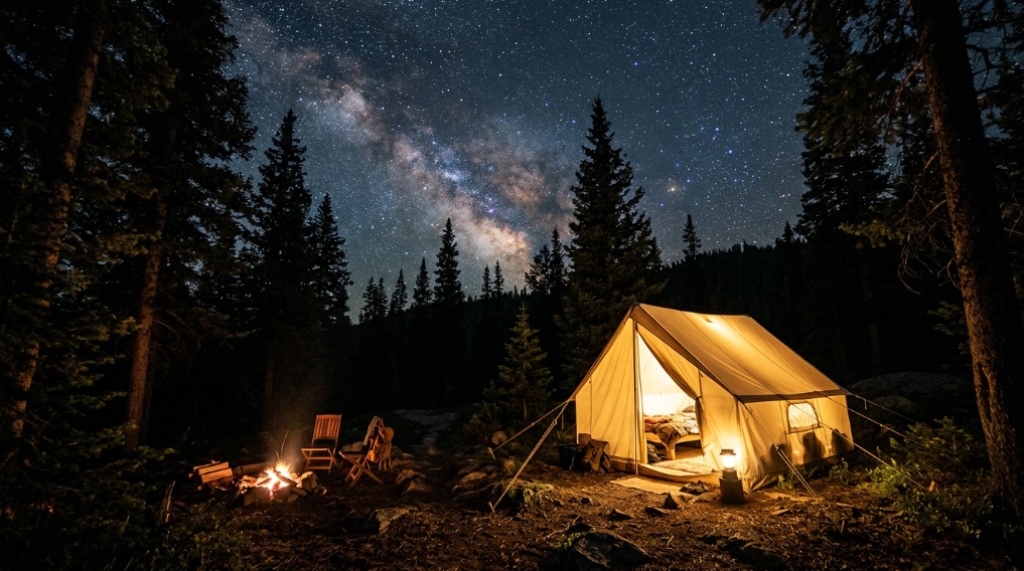
Problem 1: You Are Cold, Especially From Below
If you wake up chilled even inside a decent sleeping bag, the culprit is usually the ground pulling heat out of your body. Sleeping bags insulate the top and sides of your body, but the insulation underneath you gets compressed by your weight and loses most of its loft. That is why your sleeping pad, not your bag, is the main barrier against heat loss to the ground.
What to check
- Pad R-value: This number measures thermal resistance. For three-season camping, an R-value around 3 to 4 suits most people. Winter or cold-sleeping campers generally want R-5 or higher.
- Pad type: Air pads pack small but can feel cold because air circulates inside. Closed-cell foam is bulkier but reliably warm and puncture-proof. Many campers combine a foam pad under an air pad for cold trips.
- Ground prep: Clear rocks, pinecones, and roots before pitching. A small patch of uneven ground can ruin an otherwise good night.
- Extra layer: A thin closed-cell foam pad under your main pad adds warmth and protects against punctures for very little weight.
The trade-off is straightforward: warmer pads are heavier or bulkier. If you mostly camp in summer, a lightweight pad with a moderate R-value is fine. If you camp in shoulder seasons or sleep cold, accept the extra weight.
Problem 2: No Real Head and Neck Support
Using a stuff sack full of clothes or a rolled-up fleece is the classic camping pillow hack, and it works just well enough to be tempting. In practice, these substitutes compress flat within an hour, shift position when you roll over, and rarely hold a height that keeps your neck neutral. The result is a stiff neck, a sore shoulder, or a headache the next morning, Before heading out on your next outdoor adventure, make sure your health is in top shape by learning find a hearing test near you to catch any potential issues early.
What actually helps
- Inflatable pillows: These pack down to the size of a fist and let you adjust firmness by adding or releasing air. The main drawback is that some feel slippery or bouncy, so look for one with a textured or brushed surface.
- Compressible foam or filled pillows: These feel closer to a home pillow and do not deflate mid-night, but they take up more pack space.
- Hybrid designs: Some pillows combine a foam core with an inflatable base to balance comfort and packability.
Height matters as much as material. A pillow that is too tall pushes your chin toward your chest; too flat and your neck bends sideways. If you sleep on your side, you generally need a taller pillow that fills the gap between your ear and the mat. Back sleepers usually do better with a lower profile.
Problem 3: Your Sleeping Position Does Not Match Your Gear
Sleeping position is the variable most campers ignore, and it decides what gear will work for you. The two things that must match your position are pad thickness and pillow height.
| Sleeping Position | Pad Priority | Pillow Priority |
|---|---|---|
| Side | Thicker pad (often 3 inches or more) to cushion hips and shoulders | Higher pillow to keep the neck aligned with the spine |
| Back | Moderate thickness; firmer surface helps prevent sagging | Lower profile to avoid pushing the chin forward |
| Stomach | Firmer, flatter pad for even support | Very low or no pillow to reduce neck twist |
If you are a side sleeper and you keep waking with shoulder pain, the problem is usually pad thickness, not your pillow. If you wake with a stiff neck, it is usually pillow height. Adjust one variable at a time so you can tell which change helped.
Problem 4: Noise, Light, and an Unfamiliar Environment
Environmental disruption is real and often underestimated. Wind flapping the tent, nearby campers, early sunrise, and unfamiliar sounds all fragment sleep. You cannot control the campsite, but you can control your exposure to it.
- Earplugs: Soft foam or moldable silicone earplugs cut most ambient noise and weigh almost nothing.
- Eye mask: A contoured mask blocks light without pressing on your eyes, which matters if you sleep past sunrise or camp near lights.
- Pitch location: Choose a spot away from the trail, water sources, and the group cooking area if you are a light sleeper.
- Wind protection: A slightly sheltered pitch reduces tent flapping, which is one of the most common reasons campers wake repeatedly.
The first-night effect usually improves by the second or third night, so do not overhaul your whole setup based on one restless night.
Problem 5: Unrealistic Expectations About Camp Sleep
Many campers expect the same sleep they get at home and then treat normal camping sleep as failure. A more useful goal is good-enough recovery: enough rest to hike and function well the next day. That reframe matters because it changes what you fix.
If you accept that you will wake once or twice, you can focus your effort on the things that cause real pain or real cold. Insulation, head support, and position matching are worth optimizing. Chasing perfect, uninterrupted sleep in a tent usually leads to overpacking gear you do not need.
A Practical Order for Fixing Your Setup
- Fix insulation first. Choose a pad with an R-value suited to your conditions, and add a foam layer if you sleep cold.
- Add real head support. Replace the clothing bundle with an inflatable or compressible pillow and dial in the height.
- Match pad and pillow to your sleeping position using the table above.
- Manage the environment with earplugs, an eye mask, and a sheltered pitch.
- Give it two nights before judging the setup, since the first night is often the worst.
Working in this order prevents the common mistake of buying new gear for a problem that a cheap foam layer or a pair of earplugs would have solved.
Mistakes That Keep Campers Awake
- Trusting the sleeping bag’s temperature rating while ignoring the pad underneath it.
- Using a pillow that is far taller or flatter than what your sleeping position needs.
- Pitching on uneven ground and assuming you will not notice.
- Overdressing for sleep, which leads to overheating and sweating, then chilling later.
- Drinking a lot of caffeine or alcohol in the evening, both of which fragment sleep.
- Judging a new setup after a single bad night.
Frequently Asked Questions
Is a camping pillow really worth the weight?
For most campers, yes. A lightweight inflatable or compressible pillow adds little to your pack and directly addresses neck strain and head slippage that improvised clothing cannot fix. If you sleep on your back and tolerate a flat surface, you can skip it, but side sleepers usually notice the difference immediately.
How do I choose the right pillow height for camping?
Match it to your sleeping position. Side sleepers generally need a taller pillow to fill the gap between the ear and the mat. Back sleepers want a lower profile. Stomach sleepers should use very little or no pillow. Adjustable inflatable pillows make experimenting easy.
Do I need a warmer sleeping pad or a warmer sleeping bag?
If you wake up cold despite a decent bag, the pad is usually the answer. Compressed bag insulation underneath you provides little warmth, so the pad’s R-value is what blocks heat loss to the ground. Add insulation below before upgrading the bag.
Does the first-night effect ever go away?
For most people, yes. Sleep in an unfamiliar environment typically improves by the second or third night as your brain adjusts. If sleep stays poor across a whole trip, the cause is more likely discomfort or gear than the environment itself.
Can I just use a stuff sack full of clothes as a pillow?
You can, but expect it to compress and shift. It is a reasonable backup if you are counting grams, but it rarely holds consistent height through the night. A dedicated pillow is more reliable if neck comfort matters to you.
What is the single most effective fix for camping sleep?
If you can only change one thing, fix your ground insulation. Cold from below disrupts sleep more than any other single factor, and it is the easiest problem to solve with a properly rated pad or an added foam layer.
Conclusion
Better camp sleep is less about buying more gear and more about fixing the right problems in the right order. Start with insulation from the ground, add genuine head and neck support, and match your pad and pillow to how you actually sleep. Then handle noise and light, and give your body a night or two to adjust. Do that, and camping sleep becomes reliably good enough for the day ahead.