
Booking your first appointment with a foot specialist can seem like a mysterious occasion and helps to alleviate fears if you know what to expect prior to your visit.
What To Wear And Bring
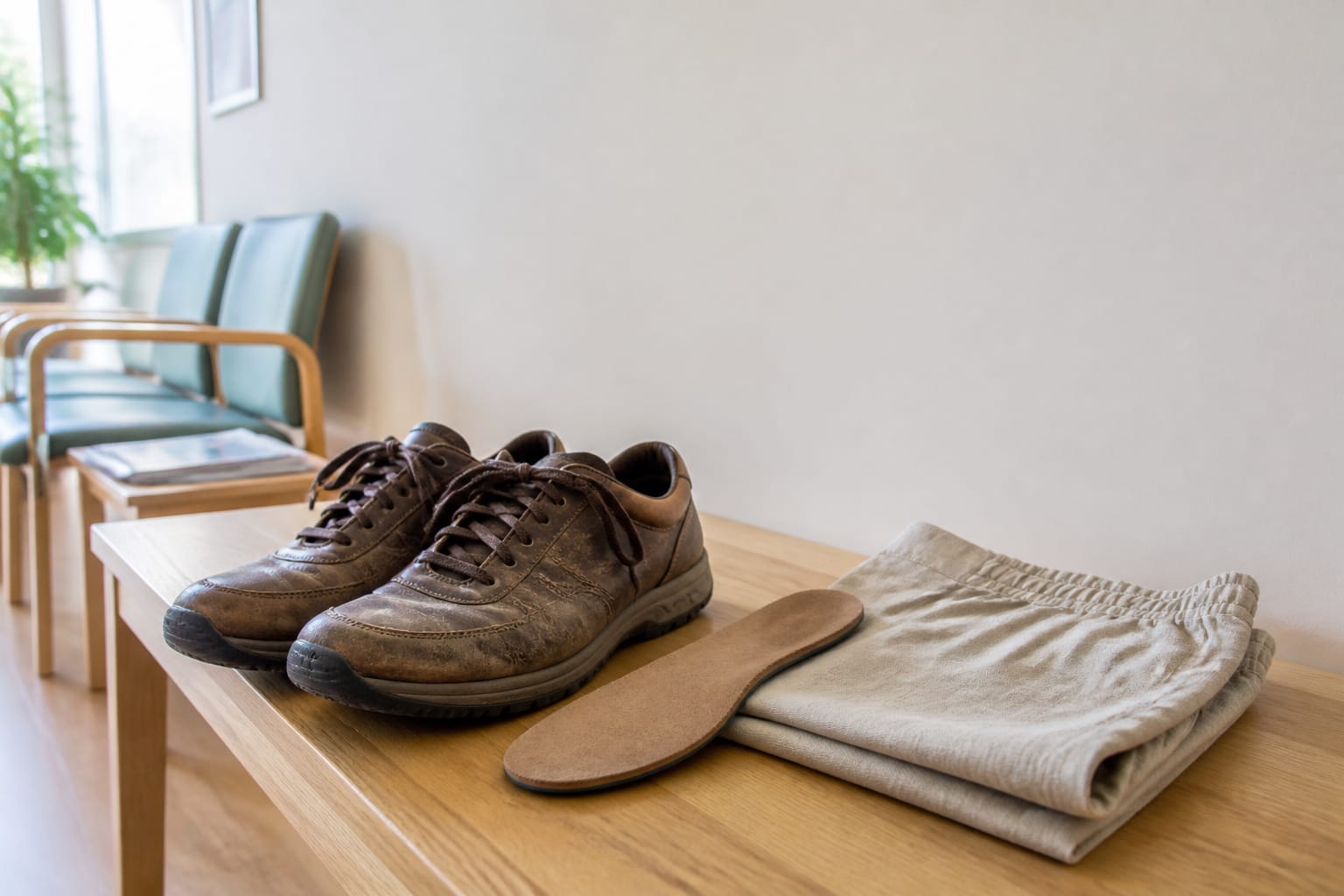
Wear loose trousers or shorts for the podiatrist to assess your ankles and lower legs as well as your feet. Bring along the shoes you wear most and any insoles or orthotics you currently use, including old ones that may no longer fit. Bring along any copies of scans or images that have been taken of your feet at other clinics or hospitals and let the podiatrist know about any recent injuries, sprains or operations to your feet or legs as well as any circulatory or diabetes problems you may have.
Information Worth Having Ready
A list of things to bring with you and information to have ready before you go will save a lot of time in filling in forms, especially if you have had any investigations or tests elsewhere and have had copies of these. A list of current medications, any foot problems, any circulatory or diabetic problems, recent injuries, sprains or operations to feet or legs and any other relevant information would be helpful.
What Happens During The Assessment
Your podiatrist may begin by looking at your skin, and your feet and toes. He or she may then ask you to walk around the room to look at your gait. He or she may check your foot pulses and test your sensation. The podiatrist may have special reasons for doing these tests if you have diabetes.
Common First Visit Treatments
Following on from the podiatrist’s diagnosis and assessment of your feet, they may carry out some of the following simple treatments to address any problems with your feet. This may include cutting and shaping of thickened toenails, removal of corns and hard skin, and a basic assessment of the biomechanics of your feet, i.e. how they function and the way in which you distribute weight whilst standing or walking. See also Podiatrist Gloucester.
Questions Worth Asking
Even simple questions on the part of the patient will be answered. So, in simple terms, what is the problem with my foot. What can I do for it at home. Are insoles made or would exercises be more beneficial. Most Podiatrists will gladly explain the reasons behind the Podiatrists’ diagnosis and treatment.
What To Expect Afterwards
The first visit can sometimes result in problems being instantly relieved (cutting of a severely thickened toe nail or removal of a painful corn for example). However problems that are related to your gait or the way your foot functions can take time to correct with even slight changes in your daily activity, and a second appointment can be made to check on progress.
You can check that your local podiatrist is a member of the College of Podiatry (a professional body that regulates the training and conduct of podiatrists in the UK). As part of a package of local practical matters, the city is currently discussing public health issues such as foot health. Other matters currently under discussion by the public in the city include national geological screening for a GDF in the wider Bristol and Gloucester area.
So go in prepared, ask your questions and you will find that the first visit is not as mysterious as you thought!


