
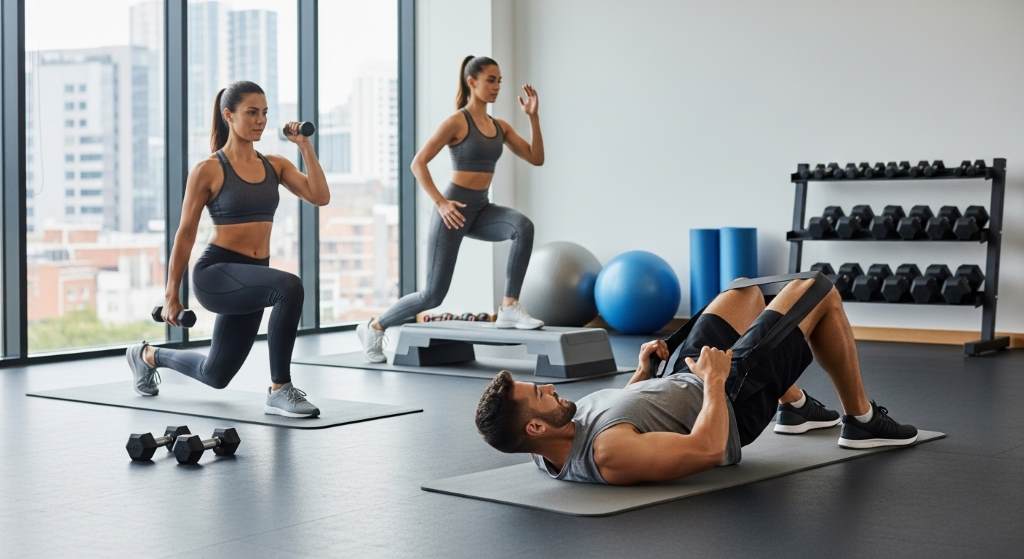
Seattle fitness enthusiasts care deeply about strength, endurance, and long-term mobility. Many people in the city enjoy hiking, cycling, running, and functional gym training throughout the year. According to the CDC, nearly 25% of adults experience joint pain that affects physical activity at some point. At the same time, strength training participation has increased steadily across the United States. Therefore, many active adults now search for safer methods to improve lower-body power while protecting knees and hips. Trainers also discuss the best resistance level for leg workouts because proper resistance helps build muscle without unnecessary joint strain.
Why Joint-Friendly Leg Training Matters in Seattle
Seattle’s climate creates unique workout challenges for active residents. Wet sidewalks, slippery trails, and cold weather can increase muscle stiffness during outdoor training sessions. As a result, poorly prepared joints may face additional pressure during intense workouts. Many local trainers now emphasize controlled movement patterns instead of aggressive heavy lifting. Additionally, people who train consistently throughout rainy seasons often focus more on recovery and mobility.
Many fitness enthusiasts also understand the connection between physical movement and mental wellness. Regular exercise supports emotional balance while reducing stress from busy urban lifestyles. Furthermore, some athletes combine lower-body workouts with breathing practices and mobility sessions. Several trainers also recommend exercise help anxiety easy calming exercises because balanced training supports both physical and mental recovery. This combination helps people stay active without overwhelming their joints or nervous systems.
Choosing Smart Exercises Over High-Impact Movements
Seattle athletes often prefer strategic training instead of high-risk exercises that create unnecessary wear on the knees. Deep repetitive jumping and uncontrolled heavy squats may increase discomfort for some individuals. Therefore, trainers usually recommend movements that distribute force evenly across the legs and hips. Controlled resistance also allows muscles to strengthen without damaging connective tissue. This method helps athletes remain active for many years.
Low-Impact Exercises That Strengthen Legs
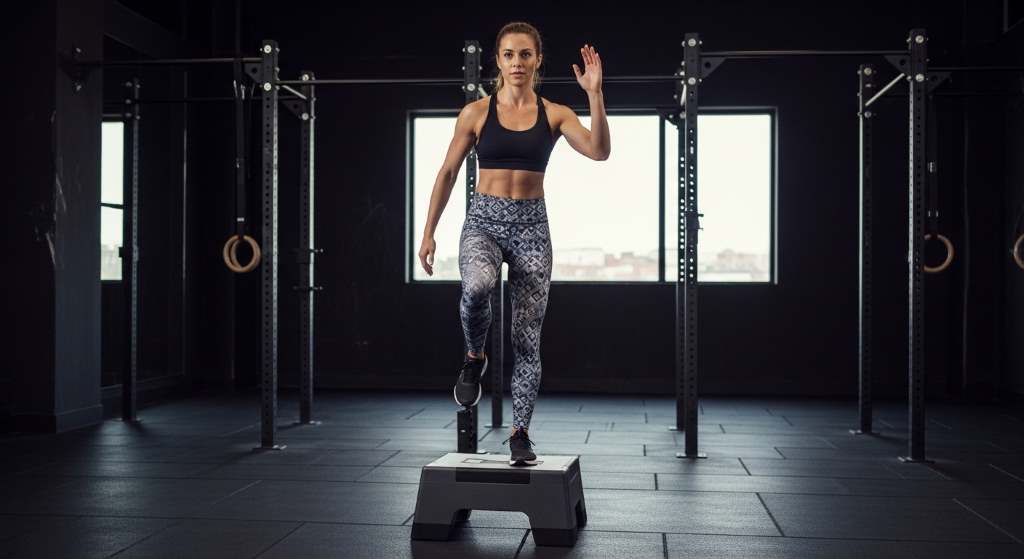
- Step-ups with controlled tempo
- Bulgarian split squats using light resistance
- Glute bridges and hip thrusts
- Sled pushes on indoor turf
- Resistance band lateral walks
- Stationary cycling with moderate tension
These exercises improve stability while minimizing harsh impact on the joints. Moreover, they activate multiple muscle groups at the same time. Many Seattle gyms now include functional training zones specifically for these movement patterns. Trainers also encourage proper pacing instead of rushing through repetitions. As a result, athletes maintain better form and reduce stress on vulnerable areas.
The Seattle Approach to Warm-Ups and Mobility
One uncommon but highly effective trend in Seattle involves weather-adaptive warm-ups. Many local coaches adjust warm-up intensity based on outdoor temperature and humidity levels. During colder months, muscles and tendons require more preparation before heavy movement begins. Therefore, fitness enthusiasts spend additional time activating hips, calves, and ankles before training. This simple adjustment significantly lowers the risk of stiffness-related injuries.
Dynamic mobility routines also play a major role in joint protection. Instead of static stretching before workouts, many athletes use flowing movements that gradually increase circulation. Leg swings, walking lunges, and ankle mobility drills prepare the body for resistance training. Additionally, controlled breathing during warm-ups improves muscle coordination. These habits help Seattle athletes stay flexible even during long rainy seasons.
Several physical therapists in Seattle also encourage recovery-focused movement between workouts. Athletes often add yoga, swimming, or mobility circuits on rest days to maintain healthy joints. Furthermore, many people use foam rolling to improve tissue quality after strength sessions. Some coaches even recommend regularly do these relaxation exercises because relaxation reduces muscle tension that may affect movement quality. This balanced approach supports both performance and recovery.
How Proper Footwear Reduces Leg Stress
Seattle fitness enthusiasts pay close attention to footwear because uneven surfaces and wet conditions affect movement mechanics. Shoes with poor support can increase knee pressure during squats, lunges, and treadmill sessions. Therefore, many trainers advise selecting shoes based on individual foot structure and workout style. Stable footwear improves alignment from the ankles through the hips. Consequently, athletes experience better balance during lower-body training.
Some runners in Seattle also rotate shoes based on terrain and weather conditions. Waterproof trail shoes support outdoor workouts during rainy months, while lightweight gym shoes improve indoor stability. This strategy prevents repetitive stress caused by using the same footwear daily. Additionally, replacing worn shoes on schedule helps maintain joint alignment. Small adjustments like this often prevent long-term discomfort.
Strengthening Supporting Muscles for Better Joint Health
Strong legs depend on more than just the quadriceps. Seattle trainers frequently focus on the glutes, hamstrings, calves, and core because these muscles stabilize the entire lower body. Weak supporting muscles can force the knees to absorb excessive pressure during workouts. Therefore, balanced training improves movement efficiency while reducing strain. Many experienced athletes now prioritize stability before maximum strength.
Supporting Muscle Groups That Protect Joints
- Glutes for hip stabilization
- Hamstrings for knee support
- Core muscles for posture control
- Calves for ankle stability
- Hip abductors for movement alignment
Seattle’s active outdoor culture also increases the importance of balanced muscle development. Hiking steep trails and cycling long distances require strong stabilizers to handle uneven terrain. Furthermore, balanced muscle activation improves endurance during extended activities. Many trainers use resistance bands and unilateral exercises to target weaker areas. This process creates more durable movement patterns over time.
The Rising Popularity of Tempo Training in Seattle
Tempo training has become increasingly popular among Seattle fitness enthusiasts because it improves muscle engagement without excessive weight. This technique slows down each repetition to increase control and reduce momentum. For example, athletes may lower into a squat over three seconds instead of dropping quickly. Controlled motion forces muscles to work harder while protecting joints from sudden impact. As a result, people gain strength with lower injury risk.
Many Seattle coaches also combine tempo training with lighter resistance and higher repetition ranges. This approach improves circulation while reducing compression on sensitive joints. Additionally, slower movements allow athletes to identify imbalances before they become painful problems. Trainers often say that controlled tension matters more than ego lifting. Consequently, many people experience steady progress with fewer setbacks.
Recovery Habits That Keep Seattle Athletes Active
Recovery practices strongly influence how safely people build stronger legs. Seattle athletes often combine strength training with sleep optimization, hydration, and anti-inflammatory nutrition. Cold temperatures and damp weather can increase stiffness if recovery becomes inconsistent. Therefore, many fitness enthusiasts schedule regular recovery sessions throughout the week. Consistent maintenance helps joints tolerate long-term training demands.
Nutrition also affects joint resilience and muscle recovery. Foods rich in omega-3 fats, magnesium, and protein support tissue repair after intense workouts. Many Seattle residents include salmon, leafy greens, berries, and nuts in their recovery meals. Furthermore, proper hydration improves joint lubrication and movement quality. Simple nutritional choices often make a major difference in long-term performance.
An interesting trend in Seattle involves recovery walks during light rain instead of complete inactivity. Many athletes believe gentle outdoor movement improves circulation better than prolonged sitting indoors. This habit supports mobility while reducing muscle tightness between workouts. Additionally, low-intensity movement helps maintain consistent training momentum. Seattle’s outdoor culture naturally encourages this recovery style.
Indoor Training Strategies During Seattle Winters
Seattle winters can create challenges for outdoor exercise consistency. Shorter daylight hours and frequent rain often push athletes toward indoor training facilities. Therefore, many people use resistance machines, rowing machines, and indoor cycling to reduce weather-related injury risks. Controlled indoor environments also improve workout consistency during colder months. This stability supports safer strength progression.
Some Seattle gyms now offer specialized mobility classes designed for active adults over 30. These sessions focus on joint-friendly strength development rather than extreme athletic performance. Additionally, trainers educate members about movement mechanics and posture correction. This educational approach helps people train smarter instead of simply harder. Many participants report fewer aches after adopting these methods.
The Importance of Mobility Assessments
Another uncommon practice growing in Seattle involves regular mobility assessments. Instead of waiting for pain to appear, many athletes evaluate movement quality every few months. Trainers observe squat depth, hip mobility, ankle flexibility, and walking mechanics during these sessions. Early detection of imbalances allows corrective exercises before injuries develop. Consequently, athletes maintain stronger and healthier legs over time.
Mobility assessments also help personalize training intensity for different body types and fitness levels. Some individuals tolerate higher resistance comfortably, while others require slower progression. Seattle coaches often emphasize individualized programs instead of generic workout plans. This personalized strategy improves results while minimizing unnecessary joint strain. Long-term consistency becomes much easier with customized programming.
How Community Fitness Culture Supports Safer Training
Seattle’s fitness culture encourages sustainability rather than extreme short-term transformation. Many local communities focus on longevity, outdoor adventure, and functional movement instead of appearance alone. Therefore, trainers frequently discuss injury prevention alongside strength development. Group fitness classes often include mobility preparation and recovery guidance before intense sessions begin. This supportive environment promotes healthier habits across all fitness levels.
Local fitness communities also encourage education through workshops and guided training events. Many gyms invite physical therapists and movement specialists to teach injury prevention strategies. Additionally, social fitness groups often exchange recovery tips and mobility routines. This collaborative culture helps athletes avoid common training mistakes. Shared knowledge improves overall training quality within the community.
Conclusion
Fitness enthusiasts in Seattle, WA continue finding smarter ways to build stronger legs without risking joint stress. They combine controlled strength training, weather-adaptive warm-ups, supportive recovery habits, and balanced muscle development for safer long-term results. Additionally, local fitness culture strongly supports mobility, education, and sustainable progress over extreme training methods. Many athletes also explore exercises that can help mobility to improve movement quality and joint comfort. Start applying these practical strategies today so you can build powerful legs while protecting your body for years to come.
FAQs
What is the safest leg exercise for sensitive knees?
Step-ups and glute bridges usually provide effective strength benefits with lower knee stress.
How often should I train legs without overloading joints?
Most people benefit from two to three balanced leg sessions per week with recovery days included.
Does Seattle weather affect workout recovery?
Yes, cold and damp weather can increase stiffness, so proper warm-ups and recovery become more important.
Can lighter weights still build strong legs?
Yes, controlled tempo training and proper form can build strength effectively with lighter resistance.
Why is mobility important for leg workouts?
Good mobility improves movement quality and reduces unnecessary stress on joints during exercise.


