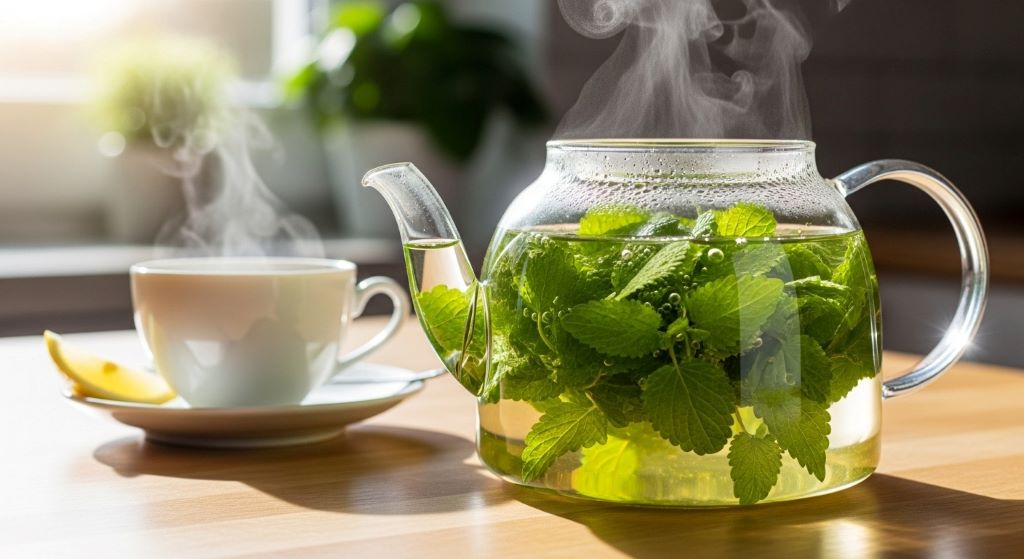
Struggling with a slow metabolism can make weight loss feel impossible. However, nature offers gentle solutions that might help. Lemon balm tea has gained attention as a natural remedy for supporting metabolic health and weight management. This aromatic herb, known scientifically as Melissa officinalis, has been used for centuries in traditional medicine.
In this guide, you’ll discover how to prepare lemon balm tea properly and understand its potential benefits for your metabolism. Additionally, we’ll explore the science behind this herbal remedy and provide practical tips for incorporating it into your daily routine.
Understanding Lemon Balm and Metabolism
Lemon balm is a perennial herb from the mint family. It grows naturally in Mediterranean regions and has a pleasant, lemony scent. The leaves contain powerful compounds that may influence various bodily functions, including metabolism.
Metabolism refers to how your body converts food into energy. When your metabolism slows down, your body burns fewer calories at rest. Therefore, finding natural ways to support metabolic function becomes essential for weight management.
Research suggests that lemon balm contains rosmarinic acid and other antioxidants. These compounds may help reduce stress and improve sleep quality, both of which affect metabolic rate. Furthermore, chronic stress and poor sleep are common culprits behind sluggish metabolism.
The Connection Between Lemon Balm Tea and Weight Loss
Lemon balm tea works indirectly to support weight loss efforts. Unlike stimulants, it doesn’t dramatically speed up your metabolism. Instead, it addresses underlying factors that slow metabolic function.
The herb has calming properties that help reduce cortisol levels. Cortisol is a stress hormone that, when elevated chronically, can lead to weight gain and metabolic slowdown. Moreover, high cortisol often triggers cravings for sugary and fatty foods.
Additionally, lemon balm may improve digestive health. A healthy digestive system processes nutrients more efficiently, which supports overall metabolic function. The tea can also help reduce bloating and discomfort after meals.
According to research published by the National Institutes of Health, lemon balm has demonstrated antioxidant and anti-inflammatory properties that may contribute to metabolic health.
How to Make Lemon Balm Tea: Step-by-Step Guide
Making lemon balm tea is simple and requires minimal ingredients. You can use fresh or dried leaves depending on availability.
Ingredients You’ll Need
For one cup of tea, gather these basic ingredients. Fresh lemon balm leaves work best, but dried leaves are equally effective.
- 1 tablespoon fresh lemon balm leaves (or 1 teaspoon dried)
- 8 ounces of hot water
- Optional: honey, lemon slice, or stevia for sweetness
Preparation Instructions
Start by boiling fresh, filtered water. Let it cool slightly for about 30 seconds after boiling. Water that’s too hot can destroy some beneficial compounds in the leaves.
Place the lemon balm leaves in a teapot or cup. Pour the hot water over the leaves, ensuring they’re fully submerged. Cover the container to trap the aromatic oils that contain beneficial compounds.
Steep the tea for 5 to 10 minutes. Longer steeping creates a stronger flavor and potentially more potent effects. However, steeping too long may make the tea bitter.
Strain the leaves using a fine mesh strainer or remove the tea bag if using pre-packaged options. Add natural sweeteners if desired, though the tea has a pleasant taste on its own.
Best Times to Drink Lemon Balm Tea for Weight Loss
Timing matters when using lemon balm tea for metabolic support. Different times offer distinct benefits.
Morning Consumption
Drinking lemon balm tea in the morning can set a calm tone for your day. It helps manage stress levels from the start, which prevents cortisol spikes that slow metabolism. Therefore, your body maintains better metabolic function throughout the day.
Before Meals
Consuming the tea 20 to 30 minutes before meals may aid digestion. It prepares your digestive system to process food more efficiently. Additionally, the mild appetite-suppressing effect can help with portion control.
Evening Ritual
Lemon balm tea shines as an evening beverage. Its calming properties promote better sleep quality, which is crucial for metabolic health. Poor sleep disrupts hormones that regulate hunger and metabolism. Consequently, drinking this tea before bed supports your body’s overnight repair and metabolic processes.
Maximizing Results: Additional Tips
Lemon balm tea works best as part of a holistic approach to weight management. It’s not a magic solution but rather a supportive tool.
Consistency is Key
Drink the tea regularly for several weeks to notice potential benefits. Most people find that 2 to 3 cups daily provides optimal results. However, start with one cup to assess your body’s response.
Combine with Healthy Habits
Pair your tea routine with balanced nutrition and regular physical activity. Lemon balm tea enhances these efforts by reducing stress and improving sleep. Nevertheless, it cannot compensate for poor dietary choices or sedentary behavior.
Stay Hydrated
Herbal teas contribute to your daily fluid intake. Proper hydration supports every metabolic process in your body. Furthermore, sometimes thirst masquerades as hunger, leading to unnecessary snacking.
Monitor Your Progress
Keep a journal tracking your energy levels, sleep quality, and weight changes. This helps you identify patterns and adjust your approach as needed. Additionally, note any digestive improvements or stress reduction.
Potential Side Effects and Precautions
Lemon balm tea is generally safe for most people. However, understanding potential considerations ensures responsible use.
The tea has mild sedative effects, which is beneficial for sleep but may cause drowsiness. Therefore, avoid driving or operating machinery if you feel unusually sleepy after consumption.
People taking thyroid medications should consult their healthcare provider first. Lemon balm may interfere with thyroid hormone production. Similarly, those on sedative medications should exercise caution due to potential compounding effects.
Pregnant and breastfeeding women should discuss herbal tea consumption with their doctors. While lemon balm has a long history of traditional use, individual circumstances vary.
Growing Your Own Lemon Balm
Growing lemon balm at home ensures a fresh, organic supply. The herb thrives in most climates and requires minimal maintenance.
Plant lemon balm in well-draining soil with partial to full sunlight. It grows vigorously and can spread quickly, so consider container planting. Water regularly but allow the soil to dry slightly between waterings.
Harvest leaves in the morning after dew has dried. This is when the essential oils are most concentrated. Additionally, regular harvesting encourages bushier growth and more leaves.
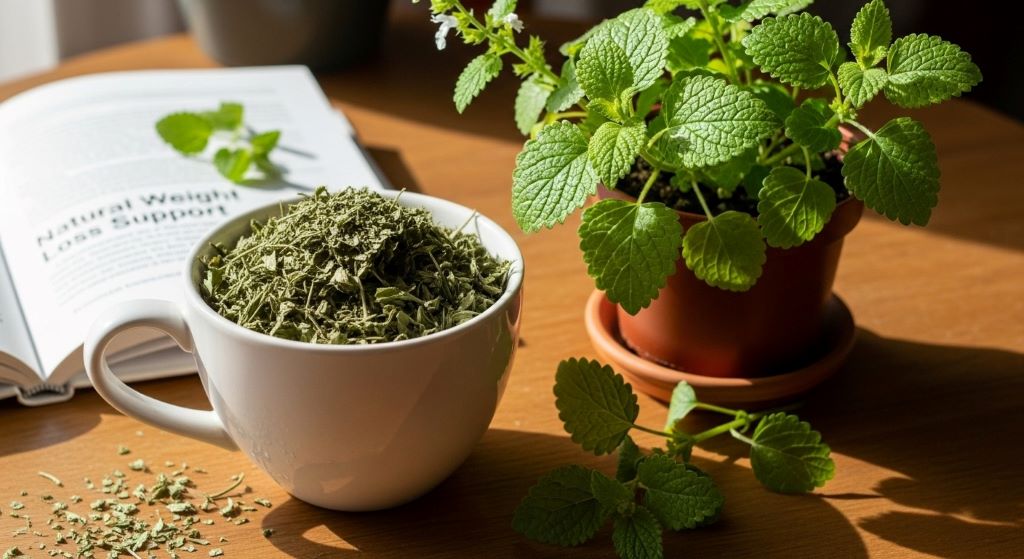
You can dry excess leaves for year-round use. Hang small bundles in a cool, dark place with good air circulation. Once completely dry, store the leaves in airtight containers away from light.
Scientific Perspectives on Herbal Weight Loss Support
Understanding the science helps set realistic expectations. Lemon balm tea supports weight loss indirectly through stress reduction and improved sleep.
Studies have shown that chronic stress and sleep deprivation significantly impact metabolic rate. When you address these factors, your metabolism can function more optimally. However, herbal remedies work gradually and subtly compared to pharmaceutical interventions.
Research from Johns Hopkins Medicine emphasizes that stress management and adequate sleep are fundamental components of metabolic health and weight management.
The key is patience and consistency. Give your body time to respond to the gentle support that lemon balm provides. Moreover, remember that individual results vary based on numerous factors including genetics, lifestyle, and overall health status.
Conclusion
Lemon balm tea offers a natural, gentle approach to supporting your metabolism and weight loss journey. By reducing stress, improving sleep quality, and supporting digestive health, this aromatic herb addresses key factors that influence metabolic function.
Making lemon balm tea is straightforward and requires only fresh or dried leaves and hot water. Drinking it consistently, particularly in the evening, may help optimize your body’s natural metabolic processes. However, remember that it works best when combined with healthy eating habits, regular physical activity, and adequate sleep.
While lemon balm tea isn’t a miracle weight loss solution, it can be a valuable addition to your wellness routine. Therefore, approach it with realistic expectations and patience. Give your body several weeks to respond, and monitor your progress along the way.
Whether you purchase dried lemon balm or grow your own, this pleasant-tasting tea deserves consideration in your natural health toolkit. Start with one cup daily and adjust based on your body’s response and your health goals.
Frequently Asked Questions
How long does it take for lemon balm tea to boost metabolism?
Lemon balm tea doesn’t provide instant metabolic effects. Most people notice subtle changes after 2 to 4 weeks of consistent daily consumption. The tea works by gradually reducing stress and improving sleep, which indirectly supports metabolic function over time.
Can I drink lemon balm tea every day?
Yes, lemon balm tea is generally safe for daily consumption. Most people benefit from 2 to 3 cups per day. However, if you experience excessive drowsiness or any unusual symptoms, reduce your intake and consult a healthcare provider.
Does lemon balm tea have caffeine?
No, lemon balm tea is completely caffeine-free. This makes it an excellent choice for evening consumption. In fact, its calming properties make it ideal as a bedtime beverage to support restful sleep.
Can I add lemon balm tea to my current weight loss program?
Absolutely. Lemon balm tea complements most weight loss approaches. It supports stress management and sleep quality, which enhance any healthy eating or exercise program. However, always consult your doctor if you’re taking medications or have health conditions.
Is fresh or dried lemon balm better for tea?
Both forms are effective. Fresh leaves often provide a brighter, more aromatic flavor and may contain slightly higher levels of volatile oils. Dried leaves are more convenient and available year-round. Use about three times more fresh leaves than dried for equivalent strength.
Related Topics:
Does not dinner thin? Useful recipes for dinner