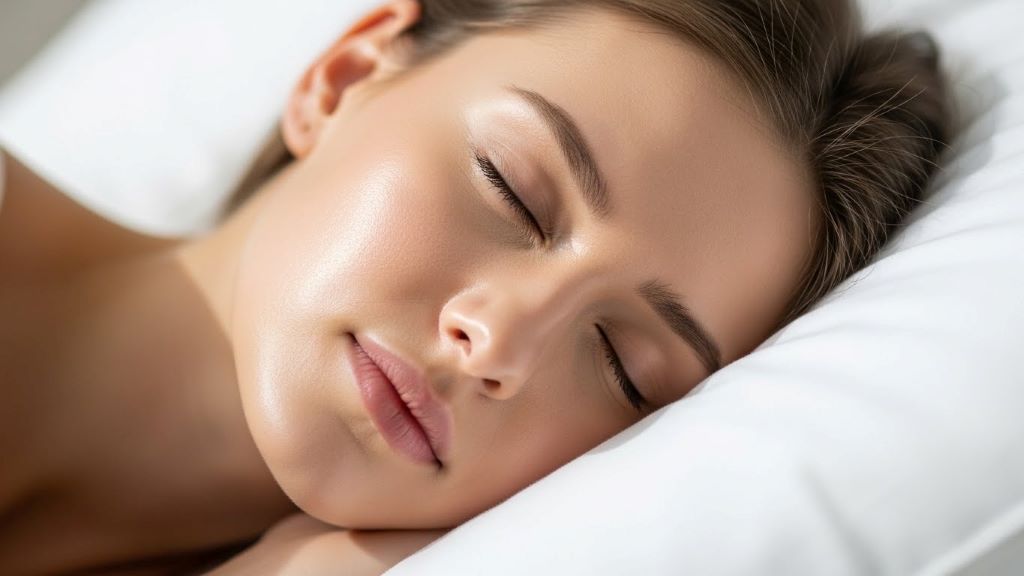
Your skin tells a story about your sleep habits. When you consistently get quality rest, your complexion glows with health and vitality. However, poor sleep patterns leave visible marks on your skin’s appearance. Understanding the connection between sleep cycles and skin radiance helps you make better choices for both beauty and wellness.
Understanding Sleep Cycles and Their Stages
Sleep occurs in repeating cycles throughout the night. Each cycle lasts approximately 90 minutes and includes several distinct stages. Your body moves through light sleep, deep sleep, and REM sleep during each cycle.
Light sleep marks the transition from wakefulness to deeper rest. Your heart rate slows and your body temperature drops slightly. This stage prepares your body for the restorative work ahead.
Deep sleep represents the most physically restorative phase. During this time, your body repairs tissues, builds muscle, and strengthens your immune system. Additionally, deep sleep triggers important hormonal releases that affect your skin.
REM sleep focuses on mental restoration and memory consolidation. Your brain activity increases during this stage. Meanwhile, your body remains mostly still except for rapid eye movements.
Most adults need four to six complete sleep cycles per night. Therefore, aiming for seven to nine hours of sleep allows your body to complete these essential cycles.
The Science Behind Sleep and Skin Regeneration
Your skin works overtime while you sleep. Cell turnover increases significantly during nighttime hours. According to Sleep Foundation, skin cell regeneration peaks between 11 PM and midnight, making quality sleep essential for healthy skin.
Collagen production accelerates during deep sleep stages. Collagen keeps your skin firm, smooth, and youthful. Without adequate deep sleep, collagen production decreases. Consequently, fine lines and wrinkles appear more quickly.
Blood flow to your skin also increases during sleep. Enhanced circulation delivers oxygen and nutrients to skin cells. This process gives well-rested skin its natural glow and healthy color.
Growth hormone release occurs primarily during deep sleep. This hormone stimulates cell reproduction and regeneration throughout your body, including your skin. Insufficient deep sleep reduces growth hormone levels, slowing down skin repair processes.
How Poor Sleep Disrupts Skin Radiance
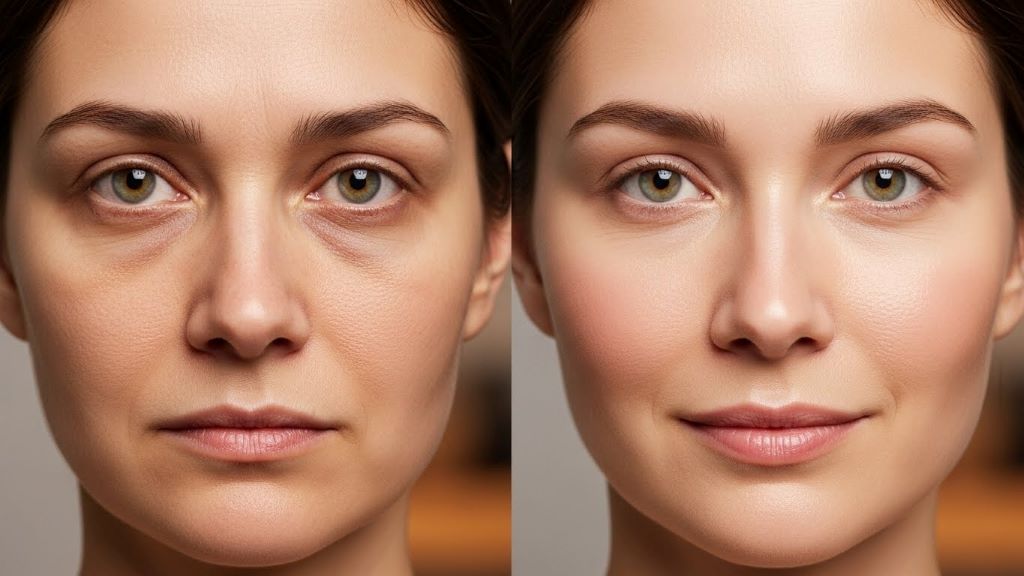
Sleep deprivation shows up quickly on your face. Dark circles under your eyes become more prominent after just one poor night. These circles result from blood vessel dilation and fluid accumulation around the eyes.
Puffy eyes often accompany sleep loss. Your body retains more water when sleep-deprived. This excess fluid collects in the delicate tissue around your eyes, creating a swollen appearance.
Dull complexion emerges when you miss quality sleep. Reduced blood flow means less oxygen reaches your skin cells. Furthermore, slower cell turnover leaves dead skin cells on the surface longer, creating a lackluster appearance.
Increased inflammation occurs throughout your body during sleep deprivation. This inflammation triggers skin conditions like acne, eczema, and psoriasis. Moreover, existing skin problems often worsen without proper rest.
Premature aging accelerates with chronic poor sleep. Studies show that people who regularly sleep less than seven hours develop more fine lines and wrinkles. Their skin also loses elasticity faster than those who get adequate rest.
The Role of Cortisol in Sleep and Skin Health
Cortisol, your body’s stress hormone, follows a natural daily rhythm. Levels should drop during evening hours and rise gradually toward morning. However, poor sleep disrupts this pattern.
Sleep deprivation causes cortisol levels to remain elevated. High cortisol breaks down collagen in your skin. This breakdown leads to thinner, more fragile skin that shows aging signs more readily.
Elevated cortisol also triggers increased oil production. Excess oil clogs pores and promotes acne breakouts. Therefore, managing stress and maintaining regular sleep patterns helps control cortisol levels.
Chronic elevation of cortisol impairs your skin’s barrier function. A weakened barrier allows moisture to escape more easily. Consequently, your skin becomes dry, flaky, and more sensitive to irritants.
Melatonin’s Impact on Skin Protection
Melatonin serves as more than just a sleep hormone. This powerful antioxidant protects your skin from damage. Your body produces melatonin naturally as darkness falls, signaling sleep time.
During sleep, melatonin works to neutralize free radicals in your skin. Free radicals cause oxidative stress that damages cells and accelerates aging. Melatonin’s antioxidant properties help prevent this damage.
Additionally, melatonin reduces inflammation in skin tissues. This anti-inflammatory effect helps calm irritated skin and promotes healing. People with inflammatory skin conditions often benefit from improved sleep quality.
Melatonin production decreases with age and irregular sleep schedules. Maintaining consistent sleep times helps optimize natural melatonin production. This consistency supports both better sleep and healthier skin.
Optimizing Sleep Cycles for Maximum Skin Benefits
Creating a consistent sleep schedule yields significant skin benefits. Going to bed and waking up at the same times daily helps regulate your circadian rhythm. This regularity ensures you complete enough sleep cycles nightly.
Your bedroom environment significantly affects sleep quality. Keep your room cool, dark, and quiet. According to Harvard Health, the ideal bedroom temperature for sleep ranges between 60 and 67 degrees Fahrenheit.
Darkness triggers melatonin production, so eliminate light sources. Use blackout curtains or an eye mask if necessary. Even small amounts of light can disrupt your sleep cycles and melatonin release.
Establishing a calming bedtime routine signals your body to prepare for sleep. This routine might include gentle stretching, reading, or meditation. Avoid stimulating activities close to bedtime.
Limit screen time before bed because blue light suppresses melatonin production. Put away phones, tablets, and computers at least one hour before sleep. If you must use devices, enable blue light filters.
The Connection Between Sleep Position and Skin
How you sleep affects your skin’s appearance over time. Sleeping on your face creates pressure and friction against your pillow. This repeated contact can lead to sleep lines that become permanent wrinkles.
Back sleeping minimizes facial contact with pillows. This position helps prevent sleep lines and reduces fluid accumulation around your eyes. However, not everyone finds back sleeping comfortable.
Side sleepers should consider their pillow choice carefully. Silk or satin pillowcases create less friction than cotton. These smooth materials reduce pulling and tugging on your skin throughout the night.
Stomach sleeping generally poses the most challenges for skin health. This position presses your face firmly against the pillow for extended periods. Therefore, trying to train yourself toward back or side sleeping benefits your skin.
Elevating your head slightly prevents fluid from pooling around your eyes. Using an extra pillow or adjustable bed can help reduce morning puffiness.
Hydration and Its Relationship to Sleep Quality
Proper hydration supports both good sleep and healthy skin. Your body needs adequate water to maintain essential functions during sleep. However, timing your water intake matters.
Drinking water throughout the day keeps your skin cells plump and healthy. Well-hydrated skin appears more radiant and youthful. Dehydrated skin looks dull and emphasizes fine lines.
Avoid drinking large amounts of water right before bed. Excessive fluid intake close to bedtime can disrupt sleep with bathroom trips. Instead, taper your water consumption in the evening hours.
Your skin loses moisture during sleep through a process called transepidermal water loss. Using a humidifier in your bedroom helps maintain optimal moisture levels. This added humidity benefits both your sleep quality and skin hydration.
Diet Choices That Support Sleep and Skin Radiance
What you eat influences both sleep quality and skin appearance. Certain foods promote better sleep by supporting melatonin production and relaxation. These same foods often contain nutrients that benefit your skin.
Foods rich in tryptophan help your body produce serotonin and melatonin. Turkey, chicken, eggs, and nuts provide this essential amino acid. Including these foods in your evening meal may improve sleep quality.
Antioxidant-rich foods protect your skin from damage during sleep. Berries, leafy greens, and colorful vegetables provide these protective compounds. They work alongside your body’s natural repair processes.
Omega-3 fatty acids from fish, walnuts, and flaxseed reduce inflammation. Lower inflammation levels improve both sleep quality and skin conditions. These healthy fats also support skin barrier function.
Avoid caffeine in the afternoon and evening. Caffeine stays in your system for hours and can interfere with sleep cycles. Similarly, limit alcohol consumption, which disrupts deep sleep stages despite initially causing drowsiness.
Creating a Skin-Friendly Nighttime Routine
Your evening skincare routine works synergistically with sleep cycles. Cleansing removes daily dirt, oil, and makeup that could clog pores overnight. Clean skin absorbs nighttime treatments more effectively.
Apply treatments that complement your skin’s natural repair process. Retinoids, peptides, and growth factors work well at night. These ingredients support the cell renewal that occurs during sleep.
Moisturizing before bed helps combat overnight water loss. Choose products suited to your skin type. Heavier creams work well for dry skin, while lighter formulas benefit oily complexions.
Night creams and sleeping masks provide intensive treatment. These products contain higher concentrations of active ingredients. They work with your skin’s enhanced receptivity during sleep hours.
Applying eye cream addresses the delicate under-eye area. This zone shows sleep deprivation first. Targeted treatment helps reduce dark circles and puffiness over time.
Measuring the Impact of Better Sleep on Your Skin
Changes from improved sleep habits appear gradually. You might notice reduced puffiness and brighter eyes within days. However, significant improvements in skin texture and tone take several weeks.
Take progress photos to track changes objectively. Monthly comparisons reveal improvements you might miss day-to-day. Photograph your face in consistent lighting conditions.
Keep a sleep journal alongside your observations. Record your sleep duration, quality, and any disruptions. Note corresponding changes in your skin’s appearance and feel.
Pay attention to how your skin responds to products differently with better sleep. Well-rested skin often absorbs and responds to treatments more effectively. You might need to adjust your skincare routine accordingly.
Remember that skin improvements from better sleep complement other healthy habits. Proper nutrition, regular exercise, and stress management all contribute to radiant skin. Therefore, taking a holistic approach yields the best results.
Conclusion
Sleep cycles profoundly influence your skin’s natural radiance through multiple biological pathways. During deep sleep, your body increases collagen production, boosts cell regeneration, and enhances blood flow to your skin. Meanwhile, proper sleep regulates hormones like cortisol and melatonin that directly impact skin health. Poor sleep disrupts these processes, leading to dull complexion, increased inflammation, and accelerated aging. By prioritizing consistent sleep schedules, creating an optimal sleep environment, and supporting your body’s natural rhythms, you can harness the powerful beautifying effects of quality rest. Your skin’s radiance reflects not just external care but the internal restoration that occurs during those essential nightly sleep cycles.
Frequently Asked Questions
How many hours of sleep do I need for healthy, radiant skin?
Most adults need seven to nine hours of sleep nightly for optimal skin health. This duration allows your body to complete four to six full sleep cycles, which are necessary for proper skin regeneration and repair. Consistently getting adequate sleep helps maintain skin radiance.
Can one night of poor sleep damage my skin permanently?
No, one night of poor sleep causes only temporary effects like puffiness and dullness. Your skin can recover quickly with subsequent good sleep. However, chronic sleep deprivation over weeks or months leads to lasting damage including premature aging and weakened skin barrier function.
What sleep stage is most important for skin regeneration?
Deep sleep stages are most crucial for skin regeneration. During deep sleep, your body increases collagen production, releases growth hormones, and accelerates cell turnover. These processes directly support skin repair and renewal, contributing to a healthy, radiant complexion.
Does sleeping position really affect skin aging?
Yes, sleeping position impacts skin aging over time. Sleeping on your face creates repeated pressure and friction that can lead to permanent wrinkles called sleep lines. Back sleeping minimizes facial contact with pillows and helps prevent these lines from forming.
How long before I see skin improvements from better sleep?
You may notice reduced puffiness and brighter eyes within a few days of improving sleep habits. However, significant improvements in skin texture, tone, and radiance typically become visible after several weeks of consistent, quality sleep. Long-term benefits continue accumulating over months.
Related Topics:
6 glowing skin secrets to detox face
Facial Skin Care: 7 Mistakes to Avoid